Pietrantiche
Wineries

Wineries and Barrel Rooms under Brick Vaults

Barrel rooms, wine tunnels and tasting rooms under vaults of antique brick, stone and concrete. We build them in our workshop in Italy and install them in days, even beneath the slab of an existing cellar.

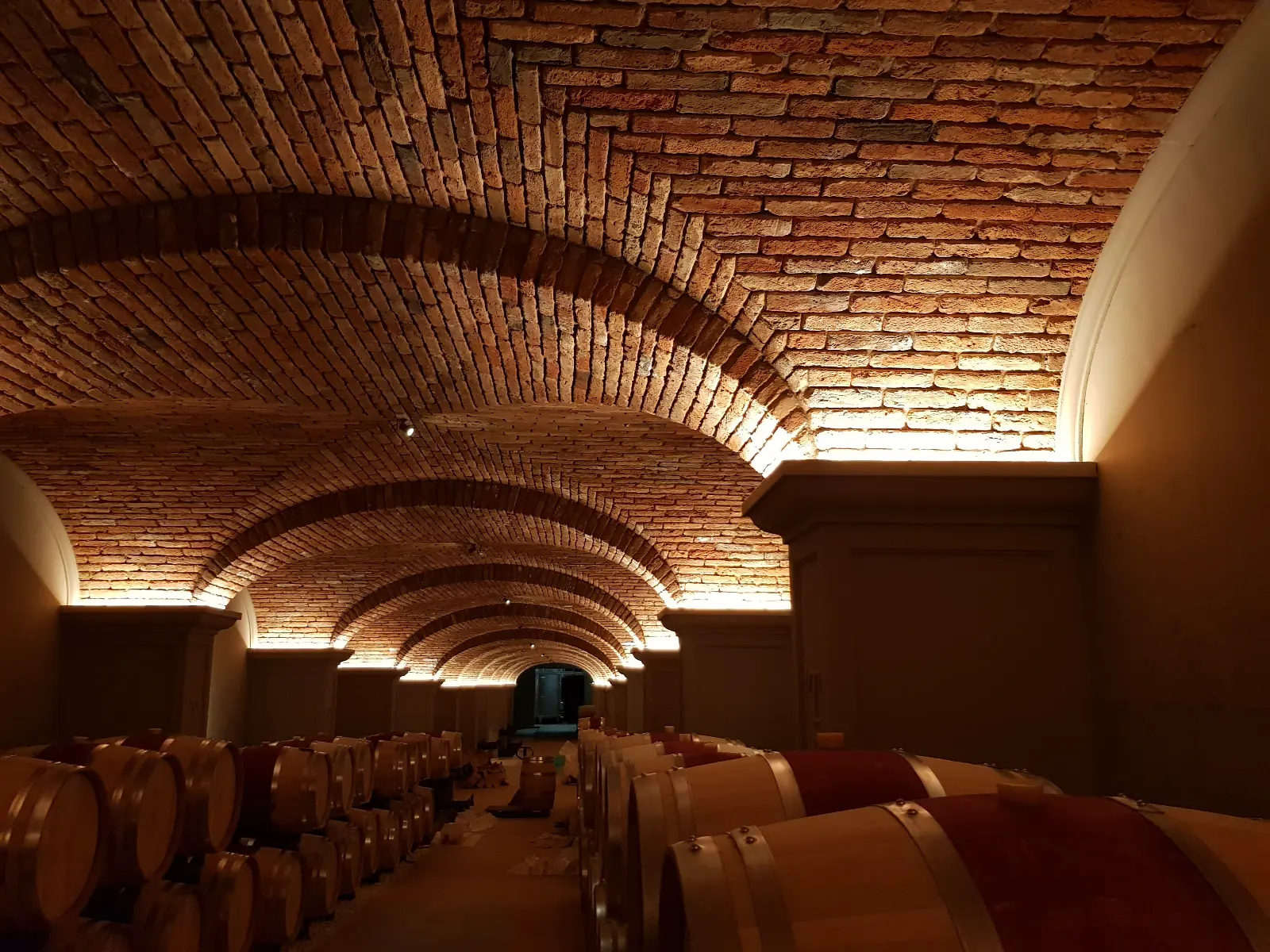
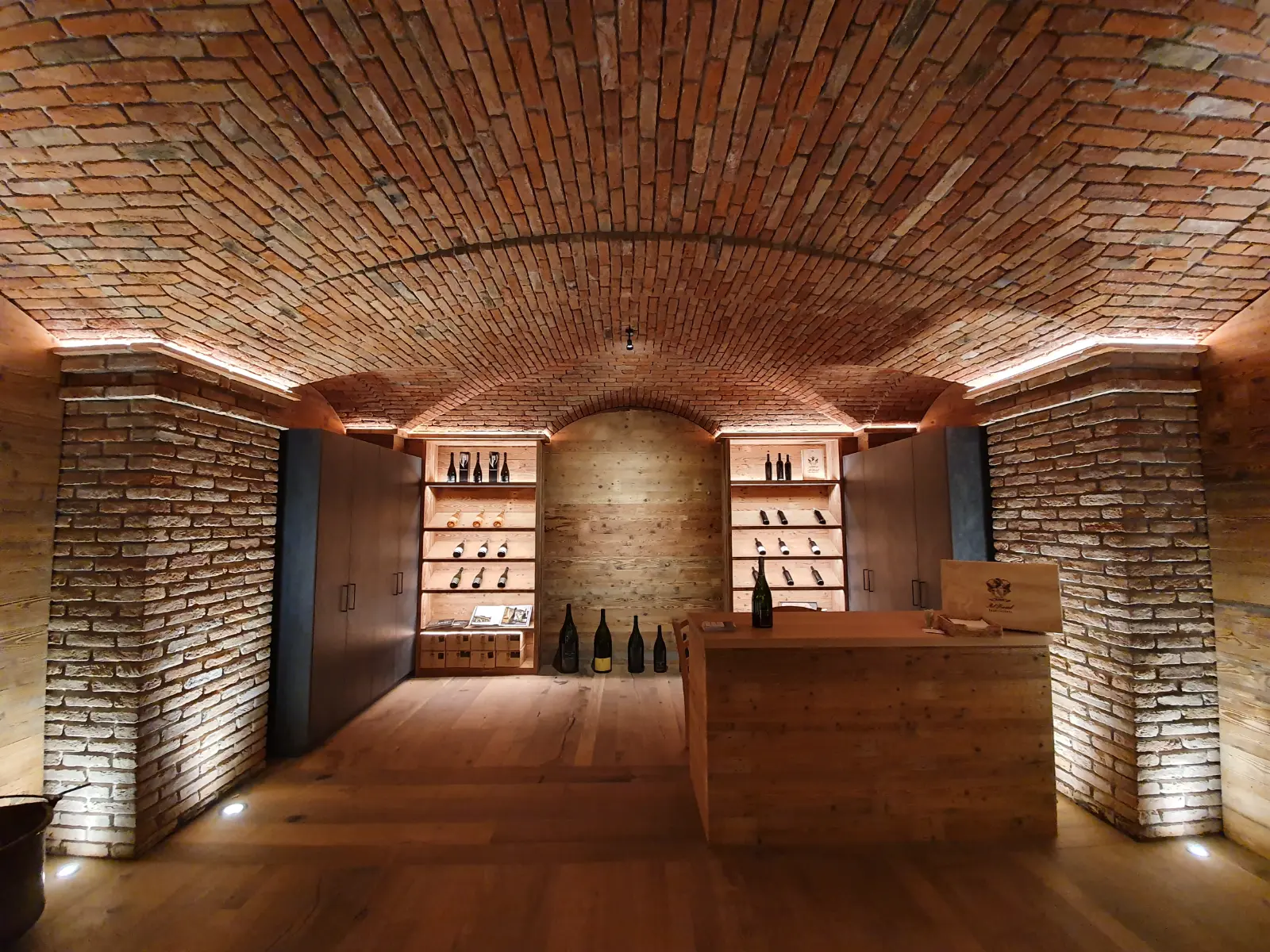
Barrel tunnel under thirteen reclaimed brick groin vaults — Tommasi Viticoltori, Valpolicella, Italy

A barrel room has to keep the wine, and be remembered

For a winery, the barrel room is a working space and, at the same time, the room where importers, restaurateurs and clients are brought. We have been building vaults since 1997, and for wineries we have made vaults in antique reclaimed brick, in stone and in exposed concrete: barrel vaults, groin vaults, segmented domes, sloping tunnels.

The vaults are made in our workshop in Friuli, in northeastern Italy: we build them on the ground to the exact geometry, lay the bricks by hand, split them into panels and deliver them ready to install. The work in the cellar takes days rather than weeks, with no centering or scaffolding to build and throw away, and it can be done beneath the slab of an existing cellar.

Our work

Wineries, told by the people who built them

More wineries under our vaults

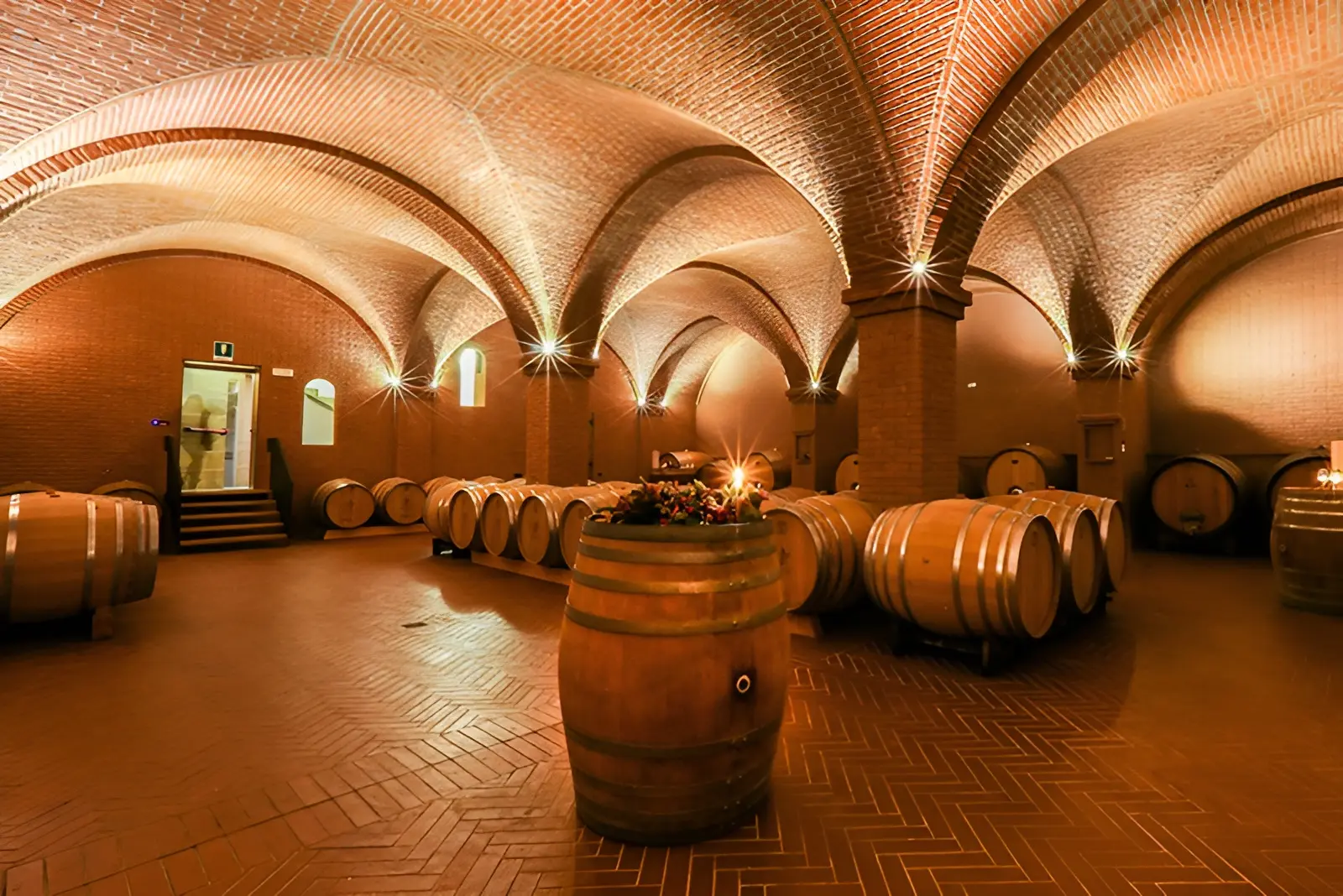
Barrel room with brick groin vaults and columns — winery in Peschiera del Garda, Italy
Peschiera del Garda, Verona
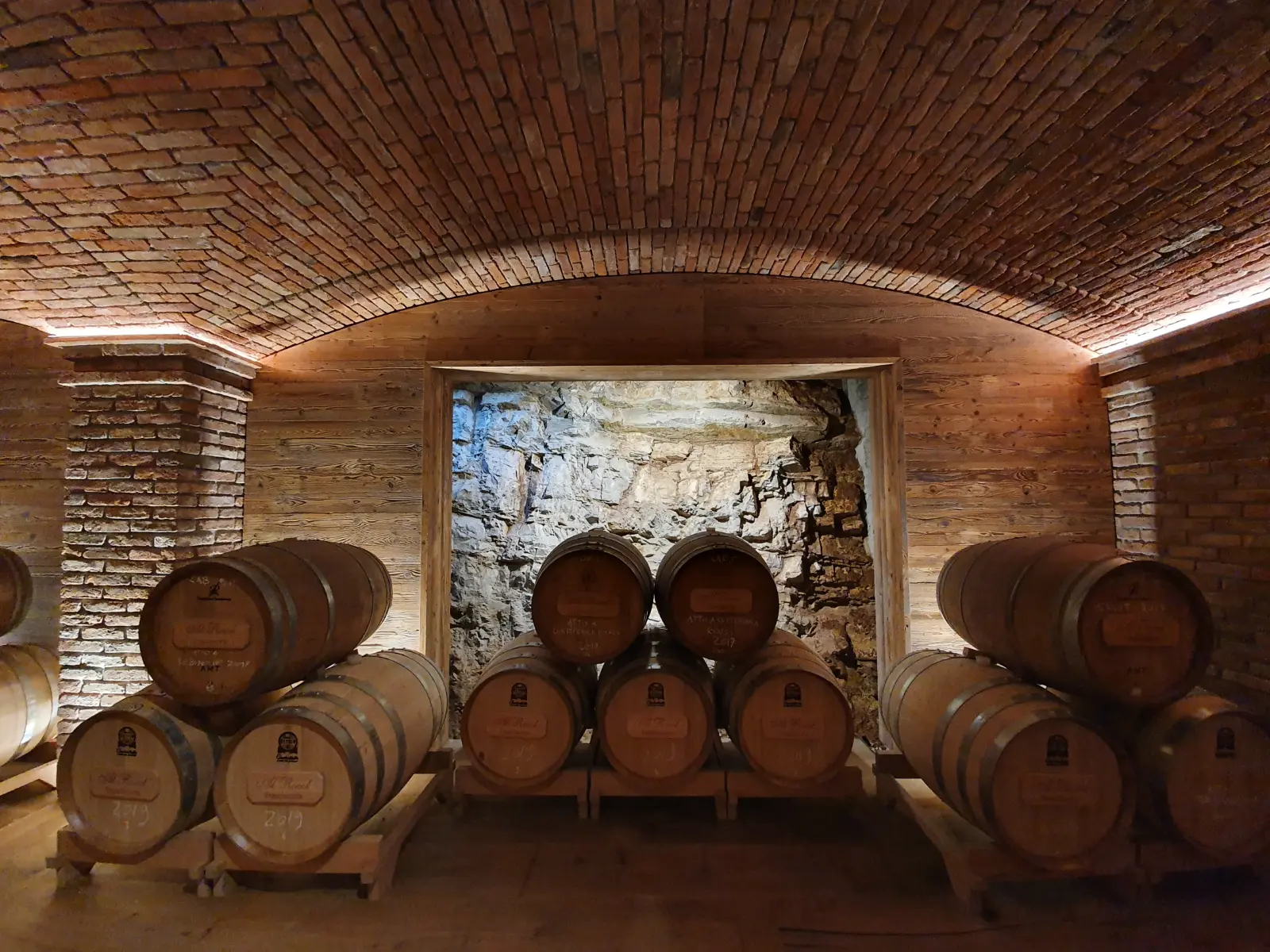
Oak barrels under brick vaults in front of exposed bedrock — Al Rocol winery, Brescia, Italy
Al Rocol, Brescia
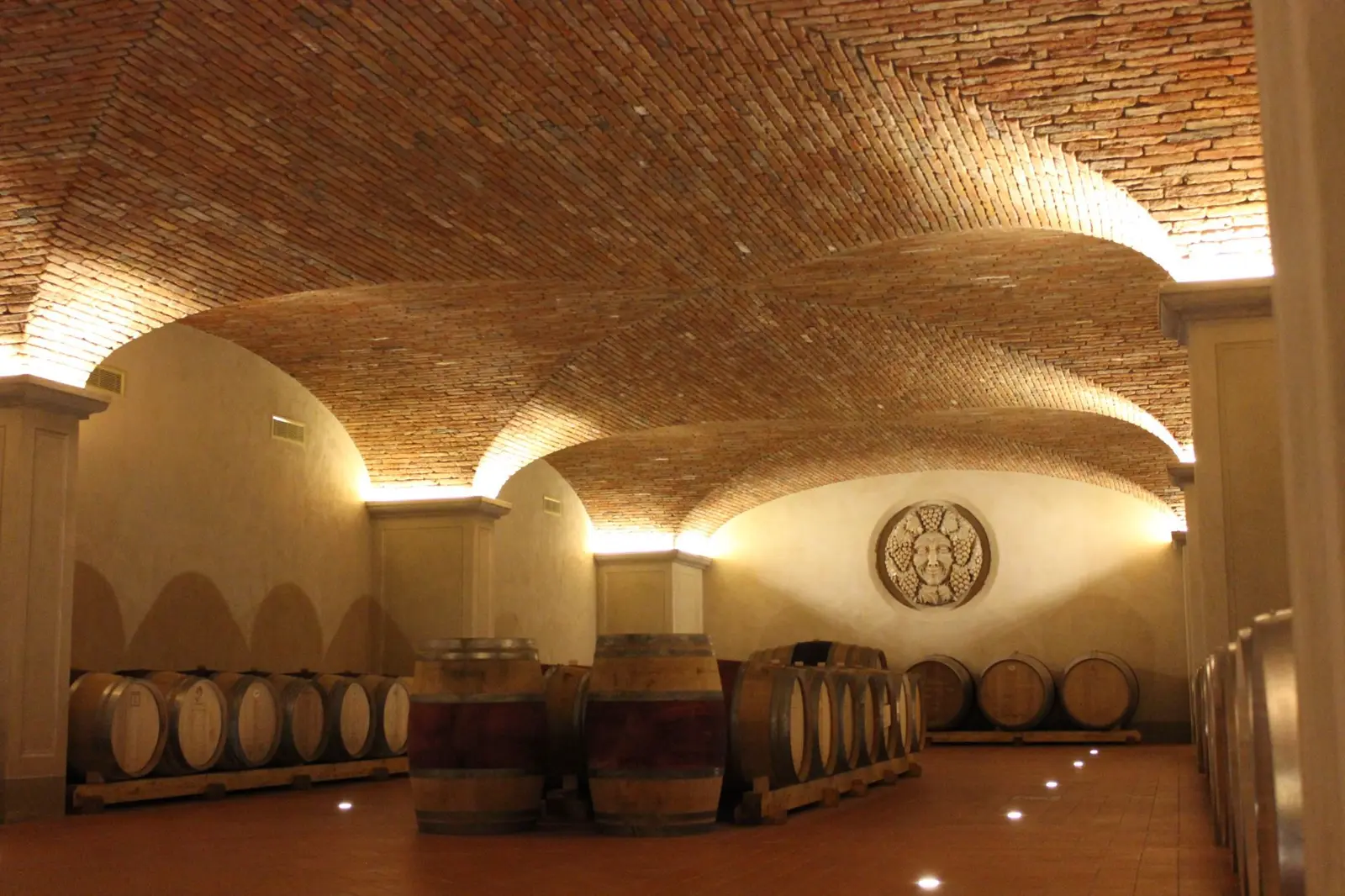
Tasting room and barrel room under brick groin vaults — winery in Lucca, Tuscany
Lucca, Tuscany
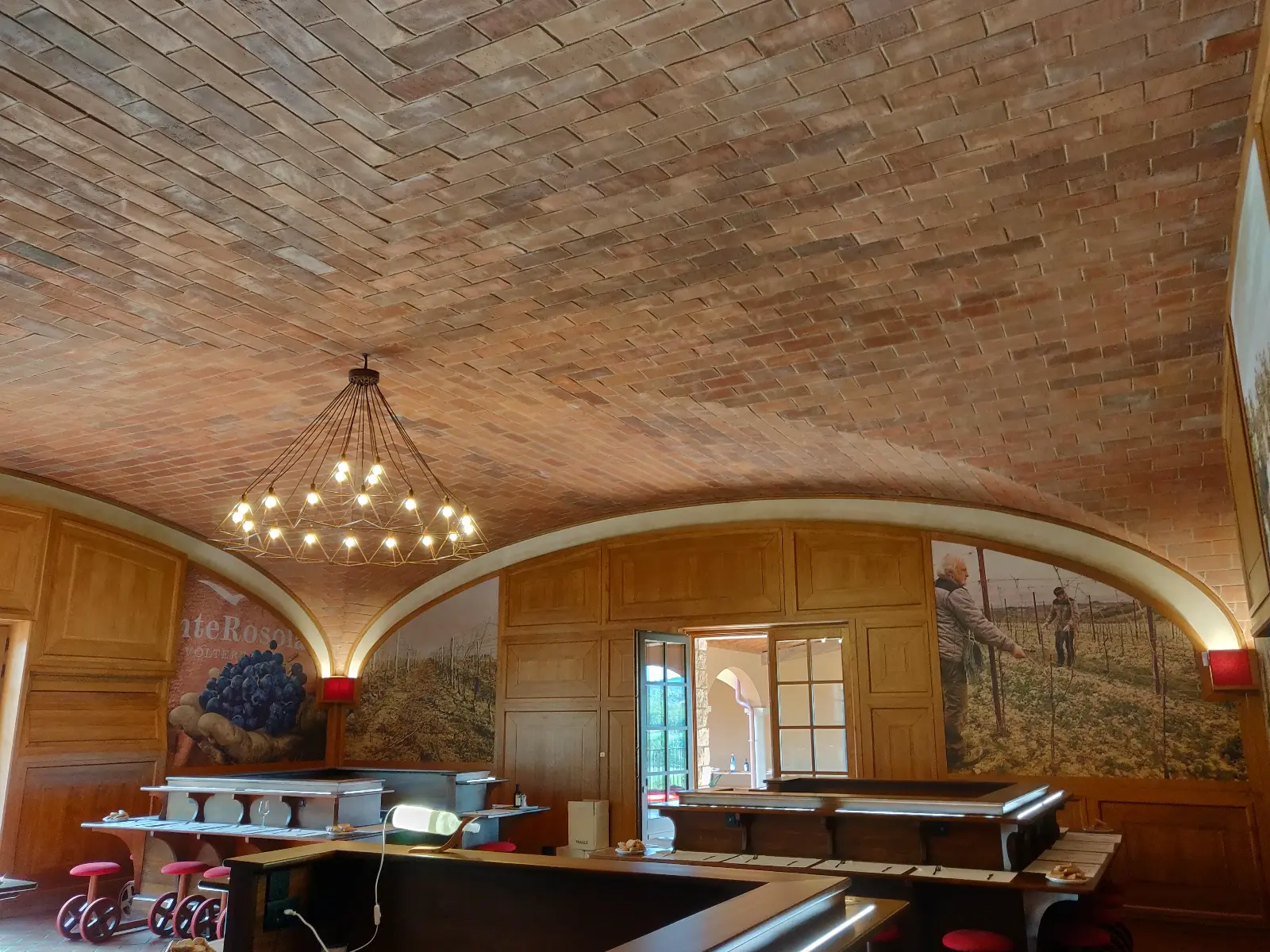
Winery hall under brick vaults with a chandelier — Monterosola, Volterra, Tuscany
Monterosola, Volterra
Brick groin vaults over the bottle area, with brick columns — Al Rocol winery, Brescia, Italy
Al Rocol, Brescia

How we think through a barrel room

Before drawing the vault, we ask a few questions. Which part of the winery will guests see? How do the barrels move? Where does the cool come from? Where does the light fall? The answers decide the form: a single barrel vault to keep the whole span clear, as at Giusti Wine, or a sequence of groin vaults that gives the room rhythm, as at Tommasi and Vineria del Carmine.

We have gathered them in two guides, written from our own job sites:

"The production cellar has to work. The tasting room has to make people want to come back."

Germano Corubolo — founder of Pietrantiche

From survey to installation

  1. Survey and design

    We measure the cellar, laser scanner included, and study the options in 3D with you or your architect. Every vault is calculated by a structural engineer.

  2. In the workshop

    We build the formwork to the exact geometry, sort and lay the bricks by hand, pour, and split the vaults into panels.

  3. Transport

    The panels travel on lowboy trailers, with a loading system designed for each job.

  4. Installation in days

    From above by crane or, beneath an existing slab, from below with our three-piston lifter. Then the pointing, until the joints between panels disappear.

Frequently Asked Questions

A few days, because the vaults arrive on site already built and split into panels. For Giusti Wine we installed 386 m² (about 4,150 sq ft) of vaults in seven days; at Vineria del Carmine three people installed 46 panels in three and a half days; at Tommasi four people installed 67 panels in four and a half days. Pointing the joints between panels comes afterwards.

Yes. In Nervesa della Battaglia we built the Giusti Wine barrel room beneath the existing slab of an old cellar, without demolishing it; in Faedis we turned an old underground tank into a barrel room, reachable only through a 1.40 × 1.10 meter (4.6 × 3.6 foot) hatch. When panels cannot be lowered from above, we install them from below with a three-piston lifter we built ourselves.

We work both ways. We can design the vaults ourselves, as we did for Vineria del Carmine and Ronc dai Luchis, or start from the architect's design, as at Giusti Wine, and solve how to build it: geometry, panel layout, transport and installation. Every project is calculated by a structural engineer.

Mostly antique reclaimed brick, such as the 8,400 bricks from an 1840 farmhouse at Vineria del Carmine. We also work in stone, like the reclaimed Torreano stone columns at Ronc dai Luchis, and in exposed concrete, like the twenty-one concrete groin vaults of the Val delle Rose barrel room in Tuscany.

Let's create something timeless

Looking for specialist builders to craft authentic vaulted ceilings? Whether you have a vision in mind or are just exploring, our team is here to bring beauty, purpose, and elegance to your space.

Let's talk